As the blessed month of Ramadan draws to a close, Ras Al Khaimah transforms into a landscape of joy and spiritual renewal. Eid Al-Fitr, known as the “festival of breaking the fast,” marks the end of a month-long journey of fasting, reflection, and devotion.
A dawn of prayer and unity
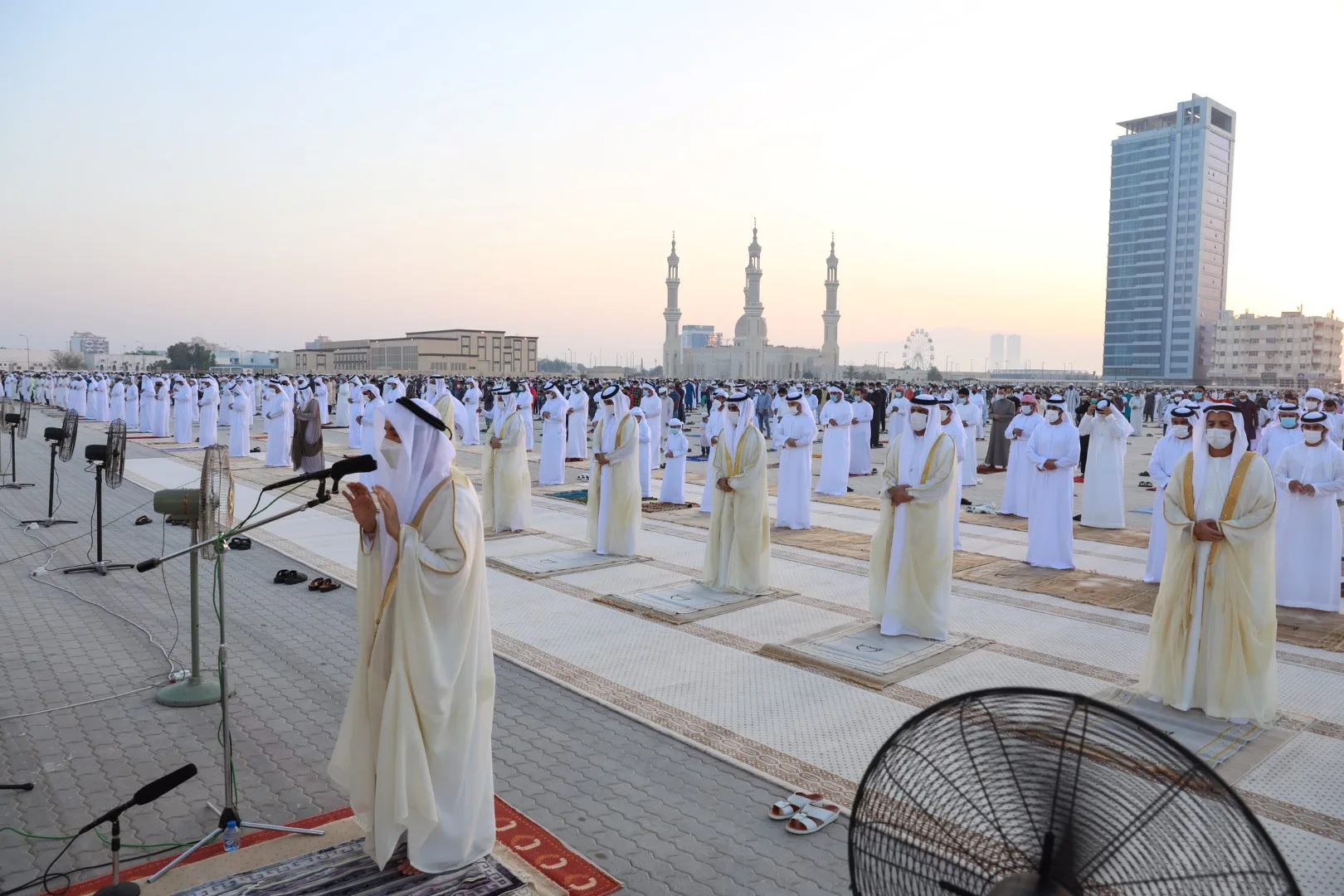
Eid morning begins before sunrise, when families across Ras Al Khaimah prepare for one of the most spiritually significant moments of the year. At approximately 6:25 AM, worshippers gather at mosques and open prayer grounds across the Emirate to perform Salat al-Eid, the special Eid prayer.
For many families, attending Eid prayer is a cherished tradition. Children dress in new clothes, and families come together in a shared moment of faith. The prayer grounds become a place of reunion, where friends reconnect after the spiritual intensity of Ramadan, exchanging warm greetings of “Eid Mubarak” and the traditional Gulf phrase “Askum min uwadah,” meaning “may you witness many more Eids.”
The spirit of giving
At the heart of Eid is a simple but powerful idea: no one should be left behind. Before the Eid prayer begins, families fulfil their obligation of Zakat Al-Fitr, a special form of charity meant to purify the fast and support those in need. This charitable act is traditionally paid for by the head of the household for all family members.
Across Ras Al Khaimah, charitable organisations, mosques, and community centres run special programmes to distribute food, clothing, and financial support to underprivileged families, labour workers, and orphans. For example, mosques organise Eid food packs that include dates, rice, and essential groceries, while community centres coordinate clothing drives to ensure families have new outfits for Eid. This spirit of giving reflects the deeper meaning of Eid, that personal devotion is incomplete without compassion for others.
Breakfast feast and home visits
Once the prayers are over, Eid becomes an intimate celebration centred around family. The first meal of the day carries special significance; it is the first time families eat together during daylight hours after a month of fasting.
Tables overflow with traditional dishes that reflect the UAE’s multicultural spirit. Emirati households might serve balaleet (sweet vermicelli with eggs) and khameer (sweet bread), while families from across the Arab world share dishes like mansaf, koshari, and fragrant biryani. No Eid table is complete without desserts like baklava, lugaimat, and maamoul.
Eid in Ras Al Khaimah
While tradition is at the heart of Eid, Ras Al Khaimah also offers a blend of heritage and modern comforts. The Emirate’s landscapes, from the Hajar Mountains to the Arabian Gulf, make for a beautiful setting to celebrate.
Many families spend Eid outdoors at Al Marjan Island, where they can enjoy a relaxed beach picnic or a walk by the water. Al Jazeera Al Hamra Heritage Village is a quieter option, perfect for exploring old buildings and learning about local history. For mountain views, families head to Jebel Jais, taking a scenic drive up to the viewing platforms or stopping for a picnic along the way. For a more casual day out, Al Hamra and Manar Mall are popular choices for shopping, eating, and keeping kids entertained. Those looking for a calm seaside walk often choose Al Qawasim Corniche for its peaceful waterfront path.
What Eid feels like in Ras Al Khaimah
It’s a time to celebrate faith, family, and community. After a month of fasting, the day feels like a fresh start, full of gratitude and kindness. With so many cultures in the UAE, Eid in RAK brings people from all over together, sharing traditions and making new memories. From the morning prayers to the family gatherings, the day is warm, joyful, and full of togetherness. The kind that makes the whole Emirate feel like one big family.
Got any feedback or suggestions? We’d love to hear from you! Feel free to reach out at hello@heartofrak.com